
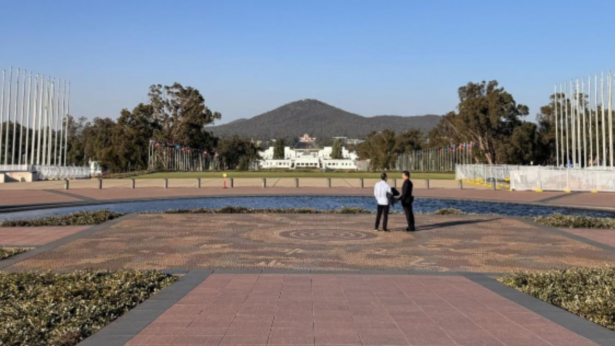
Each year, the anniversary of the National Apology to Indigenous Australians invites us to pause.
To remember. To reflect. And importantly, to consider how we show up now.
On 13 February 2008, the Apology marked a powerful national moment. It acknowledged the deep and ongoing impacts of policies that forcibly removed Aboriginal and Torres Strait Islander children from their families, cultures and communities. For many, it was the first time the nation formally said: we see you, we hear you, and we acknowledge the harm.
That mattered. And it still does. But an apology, no matter how significant, is not the destination. It is the starting point.
Bridging understanding is an ongoing responsibility
True understanding doesn’t come from a single moment in history. It comes from curiosity, humility and a willingness to sit with discomfort.
Bridging understanding means listening beyond what feels easy. It means recognising that for First Nations peoples, the impacts of colonisation, dispossession and intergenerational trauma are not historical footnotes. They are lived realities that shape everyday experiences, systems and outcomes.
Understanding grows when we stop asking, “Why are things still talked about?” and start asking, “How do my actions, decisions and silences contribute to what exists today?”
Impact lives beyond intention
One of the most important shifts we can make is moving from intent to impact.
Many people mean well. Many organisations have good intentions.
But, impact is what people experience, not what we hoped would happen.
How we speak, who we centre, whose voices are missing from decisions, and how we respond when we get it wrong all matter. Showing up with awareness, respect and accountability is what builds trust. And trust is what creates real change.
How we show up matters now more than ever
Reconciliation is not passive. It asks something of us.
It asks us to move beyond symbolism and into behaviour.
Beyond statements and into systems. Beyond comfort and into responsibility.
How we show up in meetings, classrooms, boardrooms, workplaces and communities sends a message. It tells people whether this moment, and this history, genuinely matters to us, or whether it’s something we acknowledge once a year and then move past.
Progress happens when remembrance is paired with action. And that action doesn’t have to be perfect. It does have to be intentional.
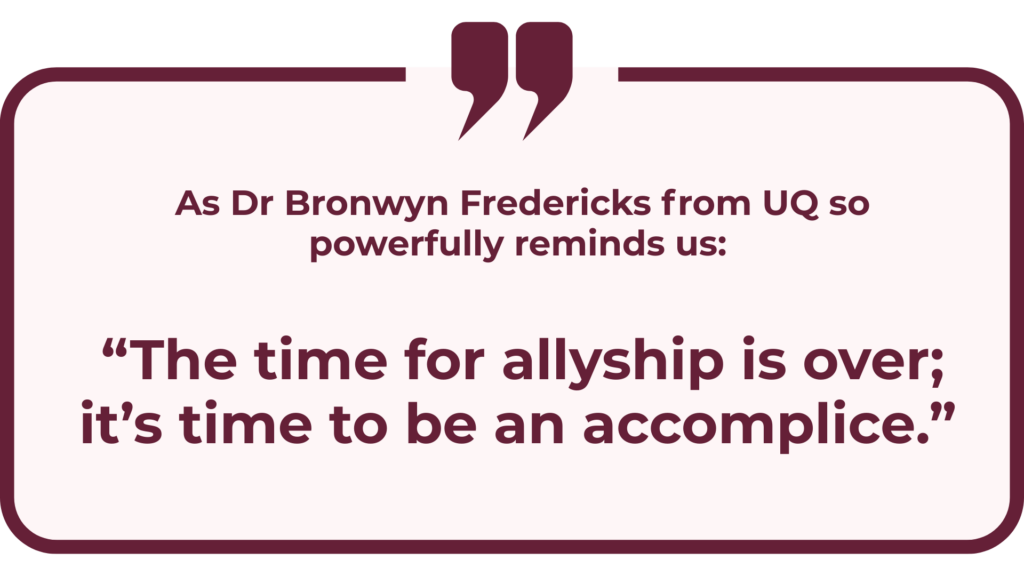
That call challenges us to step in, not stand by. To use our influence, privilege and platforms to create space, shift systems and support change, even when it costs us comfort.
The anniversary of the National Apology is not just about remembering what was said. It’s about deciding, again and again, how we choose to show up now.
So, how are you choosing to show up?